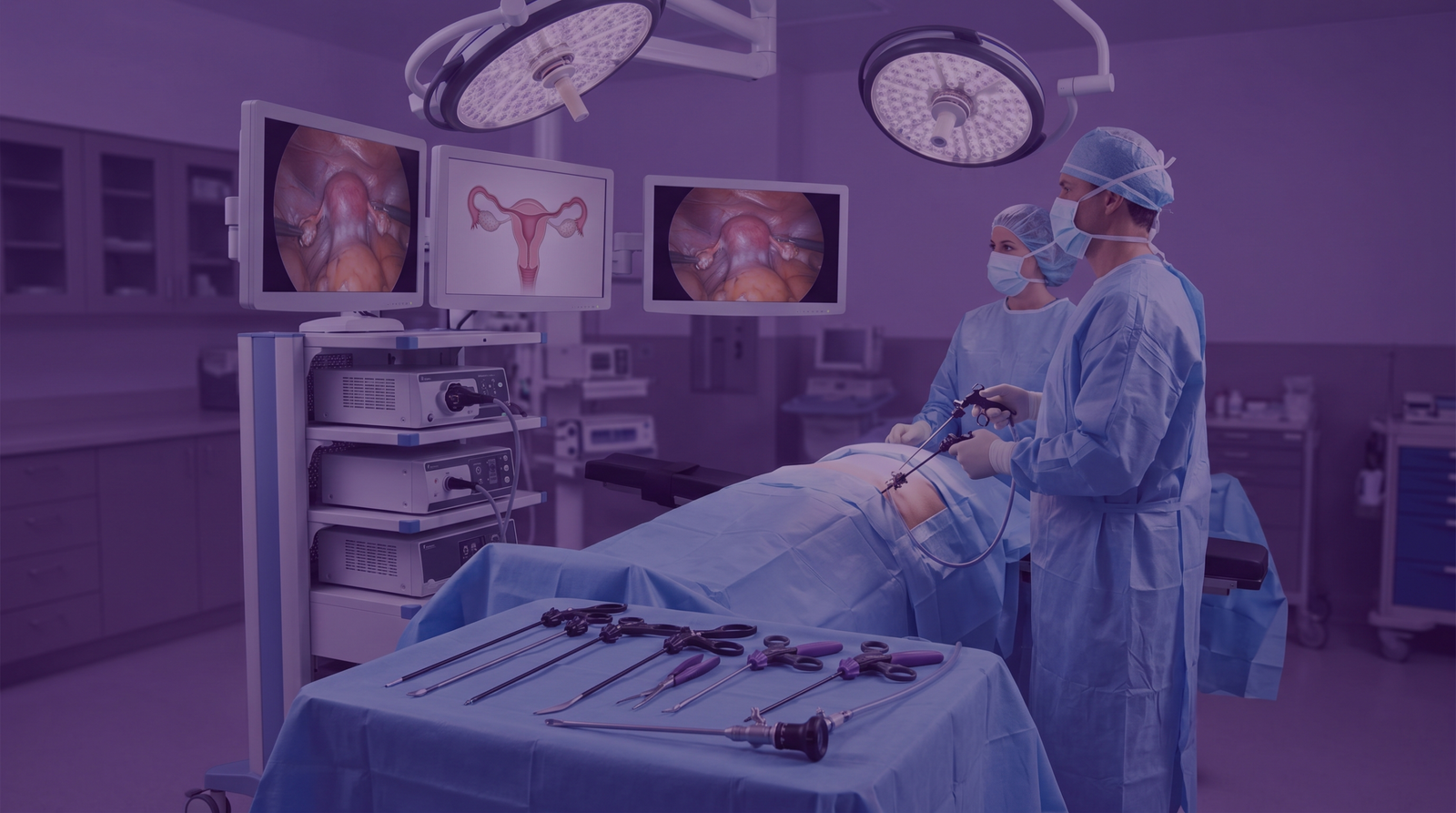
Laparoscopic fertility surgery helps diagnose and treat conditions affecting natural conception.
Benefits
- Improved fertility potential
- Precise diagnosis
- Organ-preserving approach
FAQs
011. How can laparoscopic surgery improve fertility?
Laparoscopic surgery can improve fertility by identifying and treating conditions that may affect conception, such as endometriosis, ovarian cysts, uterine fibroids, pelvic adhesions, or blocked fallopian tubes. By restoring normal pelvic anatomy, the chances of natural conception or success with fertility treatments may improve.
02Who is a suitable candidate for fertility-enhancing laparoscopic surgery?
Women who have difficulty conceiving due to conditions such as endometriosis, pelvic adhesions, ovarian cysts, fibroids, or unexplained infertility may benefit from laparoscopic evaluation and treatment. A thorough consultation, clinical examination, and diagnostic investigations help determine whether this procedure is appropriate.
03What is the recovery time after laparoscopic fertility surgery?
Laparoscopic surgery is a minimally invasive procedure that generally offers a quicker recovery than traditional open surgery. Most patients can resume light daily activities within a few days, while complete recovery usually takes 2–4 days, depending on the type of procedure performed. Your doctor will provide personalized guidance based on your condition.